
Variable Frequency Drive (VFD) – Complete A to Z Guide
1. Introduction
A Variable Frequency Drive (VFD), also known as an AC Drive, Inverter Drive, or Motor Controller, is an electronic device used to control the speed, torque, and direction of an AC motor by varying the frequency and voltage of the power supplied to the motor. VFDs are widely used in industrial, commercial, and residential applications for energy efficiency, precise motor control, and equipment protection.
—
2. What This Product Is
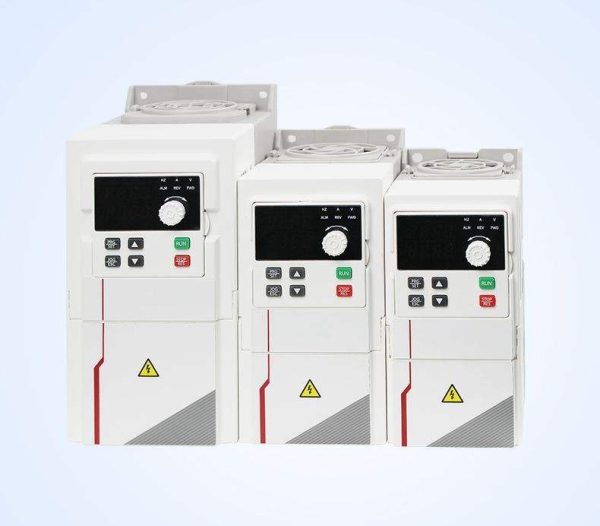
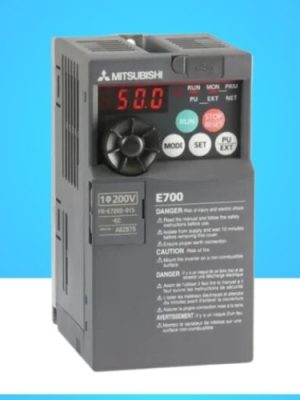
The product shown in the image is a Variable Frequency Drive (VFD) designed for controlling three-phase AC induction motors. It features:
Digital display panel
RUN/STOP buttons
Speed control knob
Cooling fan system
Protective casing with electrical safety markings
It is commonly installed in control panels, machinery systems, and automation setups.
—
3. Main Functions
A VFD performs the following core functions:
1. Controls motor speed
2. Controls motor torque
3. Soft start and soft stop
4. Reduces energy consumption
5. Protects the motor from electrical faults
6. Improves machine performance and lifespan
—
4. How a VFD Works
A VFD works in three main stages:
a) Rectifier
Converts incoming AC power into DC power.
b) DC Bus (DC Link)
Filters and smooths the DC voltage using capacitors.
c) Inverter
Converts DC power back into AC power with variable frequency and voltage, which controls motor speed.
—
5. Key Components
Control Panel – Display, buttons, and speed knob
Power Circuit – Rectifier, DC bus, and inverter
Cooling Fan – Prevents overheating
IGBT Modules – High-speed switching components
Protection Circuits – Overload, over-voltage, short-circuit protection
—
6. Technical Features (Typical)
Input Voltage: 220V / 380V AC
Output Frequency: 0–400 Hz
Control Mode: V/F Control, Vector Control
Overload Capacity: 150% for short duration
Built-in PID Control
Digital & Analog Inputs/Outputs
RS485 / Modbus Communication (optional)
—
7. Control Panel Description
RUN Button (Green) – Starts the motor
STOP/RESET Button (Red) – Stops the motor or resets fault
Arrow Keys – Parameter navigation
Speed Knob – Manual speed control
Digital Display – Shows frequency, voltage, current, and fault codes
—
8. Safety Features
Overcurrent protection
Overvoltage protection
Undervoltage protection
Overheating protection
Short-circuit protection
Phase loss protection
—
9. Advantages of Using a VFD
Saves electricity (up to 30–50%)
Smooth motor starting (no sudden jerk)
Extends motor life
Reduces mechanical stress
Improves process control
Reduces maintenance cost
—
10. Applications
VFDs are used in:
Water pumps
Fans and blowers
Conveyors
Elevators and lifts
HVAC systems
CNC machines
Textile machines
Packaging machines
Compressors
—
11. Installation Guidelines
Install in a dry, dust-free environment
Ensure proper ventilation
Use correct cable size
Ground the VFD properly
Keep away from moisture and direct heat
—
12. Wiring Overview
Input terminals: R, S, T (AC supply)
Output terminals: U, V, W (Motor)
Control terminals: Start/Stop, Speed control, Sensor inputs
—
13. Parameter Setting
Important parameters include:
Motor rated voltage
Motor rated current
Motor rated frequency
Acceleration time
Deceleration time
Maximum and minimum frequency
—
14. Maintenance Tips
Clean cooling fan regularly
Check terminal connections
Ensure proper airflow
Monitor fault history
Avoid overloading
—
15. Common Faults & Solutions
Fault Cause Solution
Overcurrent Sudden load Increase acceleration time
Overvoltage Fast deceleration Increase deceleration time
Overheat Poor ventilation Improve cooling
Motor not running Wiring issue Check connections
—
16. Energy Efficiency
Using a VFD can significantly reduce energy usage by matching motor speed with actual load demand instead of running at full speed all the time.
—
17. Standards & Compliance
IEC Standards
CE Certified
ISO Manufacturing Standards
—
18. Suitable Industries
Manufacturing
Agriculture
Construction
Power plants
Water treatment plants
Food & beverage industry
—
19. Product Lifespan
With proper installation and maintenance, a VFD can last 8–15 years depending on operating conditions.
—
20. Conclusion
A Variable Frequency Drive (VFD) is an essential device for modern motor control systems. It improves efficiency, ensures safety, reduces operational cost, and provides precise control over industrial processes. This product is ideal for anyone looking for reliable, energy-efficient, and smart motor control solutions.
Reviews
There are no reviews yet.